Terrain
Read the ground under your route
Surface texture changes how rubber and foam behave — road crown, tartan bounce, and packed dirt each ask something different from the outsole.
Three common contexts
- Road — Longitudinal crown and camber; smooth rubber and moderate lug depth usually suffice.
- Track — Consistent bounce and tight turns; lighter packages and flex at the forefoot feel natural to many runners.
- Light trail — Packed dirt, roots, and occasional mud; a bit more outsole texture helps while the shoe still feels at home on asphalt.
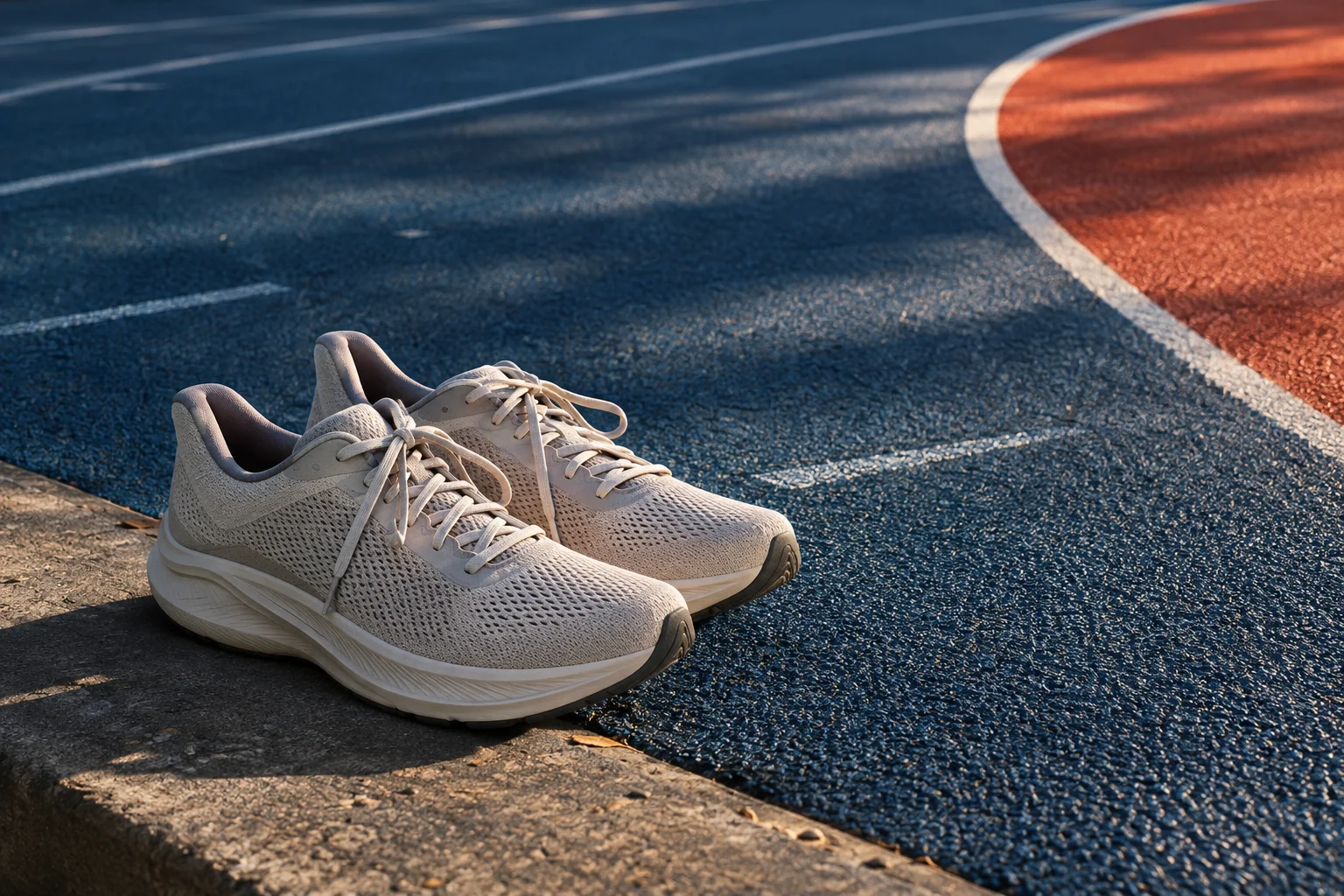
Outsole patterns
Flex grooves and rubber pods change how the shoe edges on painted lines or wet metal plates. Deep lugs can feel tall on flat asphalt.
Midsole firmness
Firmer foam can feel stable on corners; softer foam can feel forgiving on long straights. Neither is universally better — it depends on the loop you repeat.
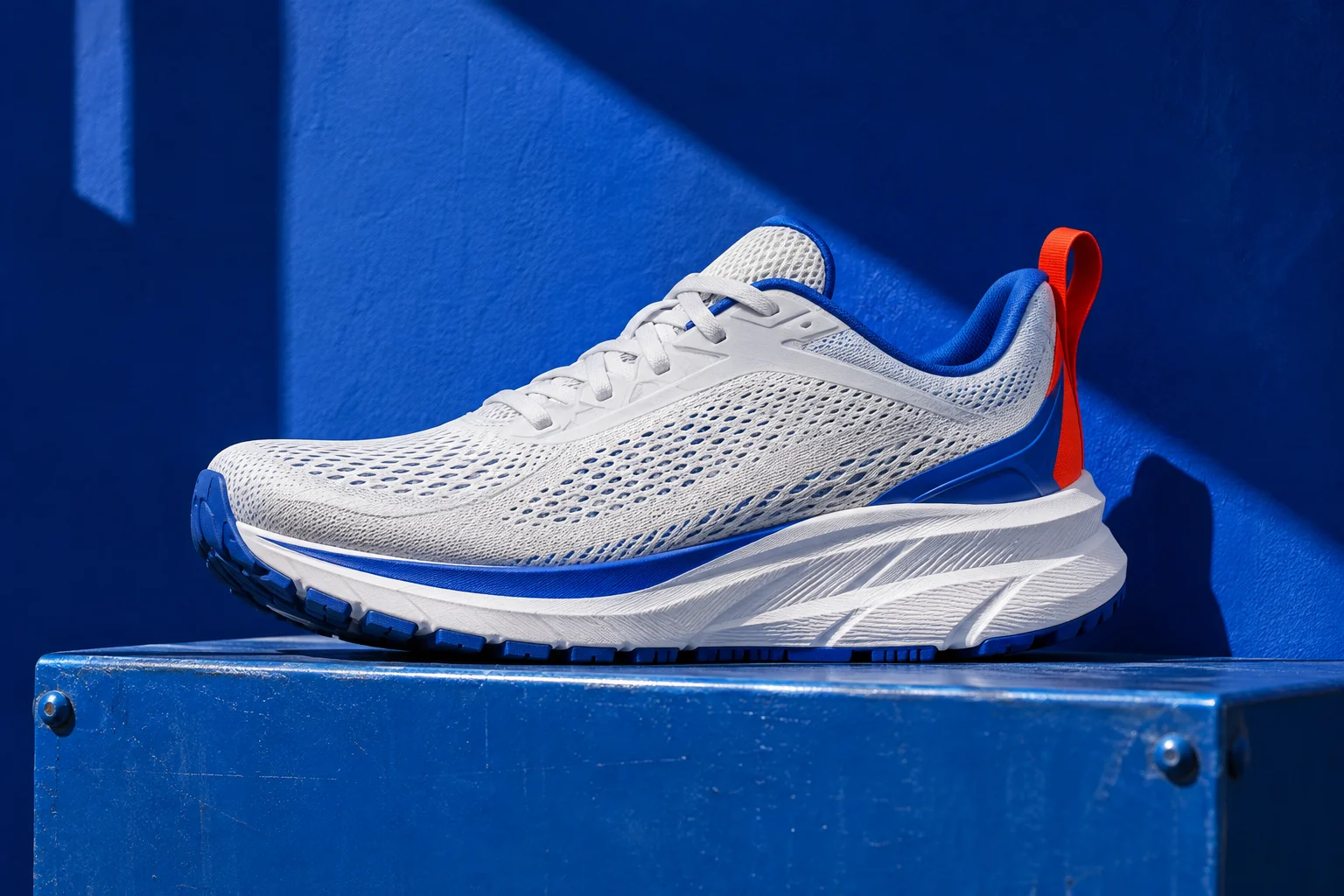
Transitions between surfaces
Many city runs hop from sidewalk to park path and back. A shoe that felt lively on tartan might feel noisy on brick — worth noticing on the same route twice.